
The digital age has ushered in a transformative landscape for businesses, presenting an invaluable opportunity for startups to carve out their market presence with innovative mobile applications. Recognizing the right path in mobile app development for startups is quintessential to the success of your digital product. From honing in on your concept with insightful startup app ideas to partnering with the best app developers for startups, this guide serves as the definitive compass to navigate the complex yet rewarding voyage of launching your mobile app.
Deciding on the appropriate technology is crucial, and many have turned to React Native for app development due to its cross-platform functionality and thriving community. But the choices don’t end there. Understanding the nuances that align with your business objectives will safeguard the app’s longevity and resonance with the intended audience. It’s not simply about the first version but nurturing an ecosystem that scales and evolves with your startup’s growth trajectory.
Key Takeaways
- Selecting adept app developers is paramount for startup success in the mobile domain.
- Crafting mobile apps that reflect the needs and aspirations of the target audience can set a startup apart.
- React Native offers an efficient cross-platform development approach for agile startups.
- The development journey should begin with a clear vision that caters to specific startup goals.
- Continuous iteration based on user feedback can significantly enhance app performance and user experience.
- Effective UI/UX design is not an afterthought—it’s a critical driver of user retention and engagement.
Introduction to App Development for Startups
The entrepreneurial landscape is witnessing an unprecedented shift towards digital solutions, with a mobile app often standing as the face of a fledgling startup. In this scenario, app development companies tailored for startups are not just service providers but invaluable collaborators in sculpting a startup’s success. Engaging with the multifaceted mobile app development business, founders initiate a journey that may pivot a mere concept into a cutting-edge technological solution, cementing their presence in a market ripe with opportunities.
Understanding the Mobile App Development Landscape for Startups
Embarking on the app development journey entails more than just technical execution; it mandates a comprehensive understanding of the market, sophisticated strategy formulation, and the identification of a niche that a mobile app startup can thrive in. By delving into this digital terrain, focused entrepreneurs can carve out their path, starting with iOS apps or venturing into the all-encompassing realm of cross-platform applications, positioning their innovations at the fingertips of a global user base.
Why Startups Should Invest in Mobile App Development
As the digital storefront of the modern business, a well-crafted app can amplify a startup’s voice amid the noise of competition. It presents a potent platform to enhance user engagement, streamline services, and fortify brand identity. These digital tools are not mere add-ons but essential gear in a startup’s arsenal, aiding in navigating the nuanced yet technologically driven business ecosystem.
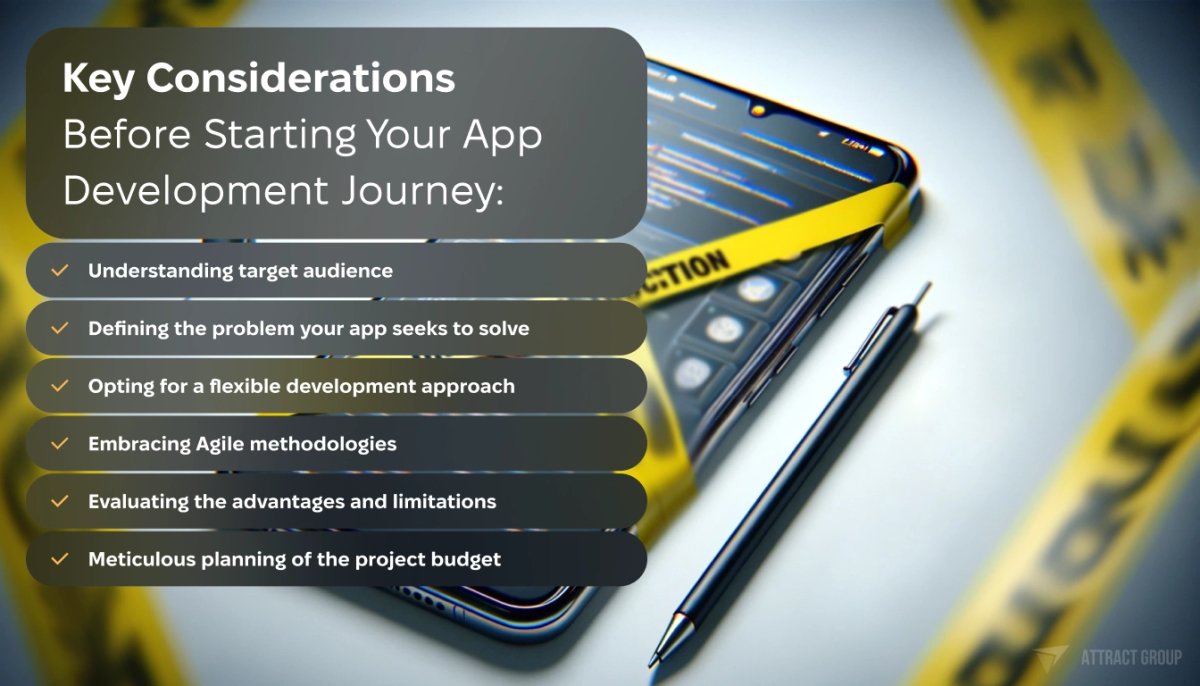
Key Considerations Before Starting Your App Development Journey
Before the first line of code comes into existence, it is imperative for startups to ruminate over several foundational facets. Be it opting for an in-house team or partnering with established app development companies for startups, mobilizing an Agile approach or adhering to a more traditional development methodology, and crafting a lean solution as an MVP or going for a full-stack application. Each decision must be underscored by the startup’s core mission and strategic business goals, with a keen eye on scalability, user experience, and fiscal prudence.
- Understanding target audience demographics and psychographics for tailored app experience.
- Defining the problem your app seeks to solve and aligning it with consumer needs.
- Opting for a flexible development approach that aligns with the startup’s budget and vision.
- Embracing Agile methodologies to bolster collaboration and expedite time to market.
- Evaluating the advantages and limitations of in-house versus outsourced development models.
- Meticulous planning of the project budget and exploring various avenues for funding.
Identifying the Best App Developers for Startups
For startups on the brink of technological innovation, the quest to find app developer for startup initiatives is akin to seeking a steadfast companion for a journey that could redefine market norms. The pivotal choice of selecting a developer carries significant weight, as the app’s trajectory is heavily influenced by this partnership. In the quest for a developer, it’s essential to foreground attributes that harmonize with startup ethos including agility, foresight, and a penchant for crafting engaging user experiences.
What to Look for in App Developers for Startups
Seeking app developers for startups requires delving beyond mere technical proficiency; it necessitates a discerning eye for developers who boast an amalgamation of creative acumen, strategic thinker, and risk-taker. Startups should seek developers who not only present an impressive portfolio and technical expertise but also have a track record of collaborative success stories, indicative of their ability to translate complex visions into market-ready applications.
How to Find the Right App Developer for Your Startup
The daunting task to find app developer for startup ventures is demystified when one taps into the reservoirs of professional networks, startup incubators, and tech meetups, where like-minded professionals converge. Forging connections within these circles can uncover pathways to developers who are not just adept at coding but are also startup-savvy, understanding the elastic nature of startup demands and timelines.
Top Mobile App Development Companies in the USA
In the USA, a coterie of mobile app development companies have distinguished themselves as beacons of innovation, specifically catering to the dynamic needs of startups. These companies have honed their skills to offer tailored services, ensuring that the granular details of a startup’s vision are meticulously woven into the fabric of the mobile application.
Choosing the Right Technology: Is Flutter Right for Your Startup?
Startups stand at a technological crossroads where the selection of a tech stack can pivot the trajectory of their innovation. Flutter, as a UI toolkit, has entered the limelight offering a unified experience for mobile app development for startups. With its ability to bridge multiple platforms with a singular codebase, Flutter is changing the game, drawing startups into a new realm of development efficiency. The key question remains: Is Flutter the right choice for your startup’s app development?
Knowing the current technological trends and the potential of various frameworks can be pivotal for the long-term agility and scalability of your app.
The Current State of Flutter for App Development
Flutter has rapidly evolved to be a front-runner in the app development arena. Endorsed by Google, this toolkit has demonstrated significant strengths in enabling developers to assemble high-fidelity apps for both Android and iOS platforms, simultaneously. Its growing ecosystem and compatibility with a variety of plugins make it a compelling choice for startups eager to implement a scalable and robust mobile app solution.
Advantages of Flutter App Development for Startups
Leveraging Flutter in the landscape of react native app development for startups promises tangible benefits, including reduced development times and cost savings — two factors critically important to a startup’s resource allocation. Flutter’s hot reload feature empowers developers with instant previews of code changes, propelling swift iterations and faster time-to-market — a luxury every startup desires for staying ahead of the competition.

Who Uses Flutter and Why It Matters for Startups
Startups pondering over the debate of ‘who uses React Native’ may find an inspiring cohort of Flutter adopters. Esteemed applications such as Google Ads and Tesla, are prime examples of Flutter’s capabilities. These brands have reaped the rewards of Flutter’s performance and have provided a roadmap for startups seeking an efficient, market-ready mobile application polished enough to compete with the titans of industry.
As you consider the technological foundation for your startup’s upcoming app, bear in mind the multifaceted benefits Flutter brings to the table. It epitomizes the ideal blend of agility, performance, and cost-efficiency that startups need in today’s fast-paced digital economy.
Planning Your Mobile App Development for Startups
Embarking on the venture of developing a startup mobile app is a strategic chess game that requires careful planning and execution. The journey from ideation to launch is paved with a variety of steps that when aligned, can propel a startup to successful heights in a fiercely competitive digital landscape.
Startup App Ideas: Sparking Innovation
Innovation begins with a solid idea – one that not only engages but also meets the needs of your target market. In the world of mobile app development for startups, the initial concept lays the groundwork for future success. This phase is about brainstorming and identifying opportunities within the market where your app could thrive. It’s about understanding user pain points and devising solutions that are not just novel, but also necessary and relevant to the intended audience.
Building a Roadmap: From Concept to Launch
A strategic and detailed roadmap is the guide that navigates you through the mobile app development process. This essential document outlines each phase of development, from the genesis of startup app ideas to the intricate path of app design, development, testing, and deployment. A well-constructed roadmap considers critical milestones, budgets, timelines, and resources, ensuring the app development for small business remains on track and adapts to any evolving business needs.
Budgeting for Your Mobile App Development Project
Efficient financial planning is key to sustaining the development cycle without unnecessary interruptions or compromises on quality. Startup mobile app ventures demand a bird’s-eye view of expected expenses, factoring in design, development, testing, marketing, and maintenance. A carefully planned budget acts as a financial blueprint, guiding startups through the cost-intensive components of app development, from initial app design to the eventual market launch.
Understanding Mobile App Funding Options for Startups
Funding is the fuel that powers the engine of mobile app development for businesses. Startups have to navigate through various funding options such as bootstrapping, angel investors, venture capital, or crowdfunding platforms. Each of these avenues comes with its own set of expectations and requirements. Understanding these mobile app funding mechanisms is imperative for startups to secure the necessary capital, drive the development forward, and bring their innovative app ideas to life.
Ultimately, the success of a mobile app development business hinges on thorough planning and a comprehensive understanding of the market. Startups that intelligently maneuver through the initial planning stages set themselves up for a more navigable and fruitful development process, culminating in the launch of an app that resonates with users and fulfills its intended purpose.

The Development Process: How to Start Developing iOS and Android Apps
When startups embark on the journey of mobile app development for startups, it begins with pivotal decisions that set the trajectory of their digital product. A core consideration is deciding between the development of iOS and Android apps and whether to unify the approach using cross-platform technologies such as Flutter or React Native. This strategic choice impacts not only the potential reach of the app but also factors such as development time, resources, and overall agility.
Furthermore, the adoption of agile methodologies in app development is reshaping how startups navigate this process. Agile’s iterative model emphasizes flexibility, customer feedback, and continuous improvement, making it particularly suitable for startups looking to stay adaptive in a fast-moving tech landscape.
Flutter for Cross-Platform Development
One of the first hurdles in app development is platform selection. For startups aiming to start developing iOS apps as well as Android apps, Flutter presents an advantageous path. As a UI toolkit, Flutter aids in crafting visually attractive apps for both platforms from a single codebase. This approach is not only cost-efficient but also accelerates the development timeline, allowing startups to bring their visions to market more rapidly.
Key Phases in the Mobile App Development Lifecycle
The app development lifecycle can be segmented into distinct phases, starting with ideation and progressing through to design, implementation, and testing, leading up to deployment and post-launch support. Each stage possesses its nuances and requirements, requiring a defined roadmap that aligns with the startup’s vision and operational capabilities.
To illustrate the typical flow, a table outlining these phases can be valuable:
Agile Methodology: A Preferred Approach for Startup App Development
Startups often operate in an environment that necessitates swift pivoting and adaptation – qualities intrinsic to the Agile methodology. Adopting agile methodologies in app development facilitates open communication, incremental delivery, and a collaborative ethos. This preferred approach promotes a culture where teams are aligned, processes are transparent, and deliverables meet the intricate market demands promptly. Ultimately, Agile serves startups in building robust applications that respond adeptly to user feedback and evolving market trends.
In conclusion, the app development journey for startups encompasses far-reaching decisions and meticulous planning. Choosing a cross-platform strategy with tools like Flutter could serve as an accelerator for market entry, while an Agile framework might be the bedrock upon which startups build a resilient and user-loved mobile app.
Launching Your Startup Mobile App
Releasing a mobile app into the competitive ecosystem of the App Store and Google Play requires a meticulous process where each step serves its purpose towards the grand unveiling. For startups with visionary startup app ideas, this phase is the culmination of development efforts transitioning into a fervent launch strategy.
A harmonious mix of beta testing, strident marketing efforts, and strategic App Store Optimization (ASO) practices stand as the triumvirate pillars of an app’s initial success. This tailored approach not only magnifies your app’s visibility but also primes your startup mobile app for widespread adoption by your intended audience.
Beta Testing: Gathering Feedback Before Launch
The phase of beta testing is a critical frontier, allowing startups to polish their mobile app by gathering invaluable feedback from actual users. This pre-launch stage serves as a proving ground for your mobile app development, spotlighting areas of enhancement and allowing for last-minute refinements that can dramatically shape the user experience. Inviting a subset of your target market to engage with the app and report back on their experience can illuminate unforeseen challenges and opportunities to elevate the app before it sees the wider world.
Marketing Strategies for Promoting Your Startup Mobile App
A robust marketing strategy breathes life into your app’s launch, crafting a narrative that entices users and engenders excitement. An impactful marketing agenda circles around creating buzz through social media campaigns, influencer partnerships, and targeted content marketing, each reinforcing your startup’s identity and the unique value your mobile app brings to the table. With creativity and strategic planning, burgeoning startups can leverage their limited resources for maximum impact, ensuring that their app doesn’t just launch, but soars.

App Store Optimization (ASO) for Maximum Visibility
ASO is the cornerstone of ensuring your app stands out amidst a sea of competitors in online marketplaces. Effective ASO practices hinge on optimizing the app’s title, description, and keyword fields, along with incorporating captivating visuals and encouraging positive user ratings and reviews. A meticulous ASO strategy enhances the app’s ranking, elevating its chances of being discovered by potential users. By mastering this marketing niche, startups position their mobile applications to attract higher organic traffic and downloads.
The path to launching a startup mobile app is as dynamic and nuanced as it is exciting. Proper execution of beta testing, strategic marketing, and ASO can be the difference between an app that captivates and one that simply exists. As a startup, embracing these steps not only propels your app into the market but sets the tone for its growth trajectory.
Growing Your Mobile App Startup Post-Launch
The successful launch of a mobile app marks only the beginning of the journey for startups. Post-launch growth is not merely about maintaining the app; it’s about strategically deploying resources to scale and refine the application. Understanding how to assess performance and engage in continual development is key to long-term success. This section explores the methods and strategies mobile app startups can use to measure and stimulate growth, invest wisely in app enhancements, and why iterative improvements are vital for scalability.
Measuring Success: Key Performance Indicators (KPIs) for Mobile Apps
In the realm of mobile app development for startups, effectively measuring success is fundamentally tied to key performance indicators (KPIs). These metrics provide tangible evidence of how well your app performs and gauges user engagement. Startups must be judicious in selecting KPIs that reflect their specific goals, whether that’s user acquisition, retention rates, average session length, or revenue generation. Let’s delve into a table that showcases some critical KPIs worth monitoring.
Scaling Your Mobile App as Your Business Grows
As the user base expands and the demand increases, scaling your mobile app becomes imperative. Startups should aim for a scalable architecture from the onset to ensure that their app can handle increased loads without compromising performance. This scalability is twofold; it involves managing the technical aspects, such as database management and server resources, and expanding the app’s functionalities to cater to a broader audience. Mobile app funding initiatives can earmark resources for scaling operations, focusing on efficient back-end services and emerging technologies to enhance customer experience.
The Importance of Continuous Improvement and Updates
Continuous improvement is the heartbeat of post-launch app maintenance. The competitive landscape of the mobile app startup ecosystem necessitates ongoing updates and refinements. By thoughtfully analyzing user feedback, keeping an eye on market trends, and integrating technological advancements, startups can ensure their app remains relevant and valuable to users. This iterative process of improvement not only enhances the user experience but also secures the app’s place in an ever-evolving digital marketplace.

App Development for Small Business: Tailoring Solutions for Smaller Budgets
Mobile technology is leveling the playing field for businesses of all sizes. For small businesses, an impactful digital presence can be the catalyst for newfound growth and customer connections. App development for small business is not only accessible but also a strategic move toward innovation and market expansion. The value proposition encompasses improved customer service, streamlined business processes, and the potential to unlock new revenue streams. The quest for a compelling app requires a balanced approach to cost and functionality, where resourcefulness paves the way to success.
How Small Businesses Can Benefit from Mobile Apps
Investing in mobile app development for startups, even when funds are limited, can lead to substantial benefits. Custom mobile solutions elevate a brand’s image, facilitate direct consumer communication, and enhance the efficiency of business operations. Positive user experiences derived from effective apps directly influence customer loyalty and advocacy, which are critical metrics for any small business. Access to real-time data and analytics through these apps can inform strategic decisions, driving growth through focused marketing efforts and personalized customer engagements.
Cost-Efficient Strategies for App Development for Small Business
Cost-efficient app development hinges on a thorough understanding of market needs and aligning them with business capabilities. By embracing strategies such as adopting open-source frameworks and prioritizing an MVP approach, businesses can incrementally deliver value to users without the burden of extensive initial investments. Leveraging agile development practices, small businesses can iterate swiftly, responding to user feedback and refining their offering, ultimately leading to a refined, market-tested product that resonates with the target audience.
For small business owners, embarking on the mobile app development journey represents an investment into their company’s digital transformation. With the right strategies, these businesses can engage customers like never before, optimize their operations, and stand out in a saturated marketplace—achieving all this without sacrificing financial sustainability.
Case Studies: Successful Mobile App Startups
In the landscape of today’s dynamic digital entrepreneurship, dissecting the journeys of mobile app startups that have paved the road to success is more than a reflective exercise — it’s a treasure trove of invaluable insights. By examining the narratives of celebrated startups, we uncover approaches and strategies that transcend industry norms, setting benchmarks for successful mobile app development.
Lessons Learned from Top Mobile App Startups
Studying the paths of mobile app giants such as Netflix and Amazon, it becomes evident that an unwavering commitment to the user experience acts as the cornerstone of their success. These startups have not only withstood the test of time but have adapted with agility to the shifting sands of technology and consumer behavior. A pivotal takeaway for all emerging mobile app businesses is to prioritize a user-centric approach across every facet of the app’s development and lifecycle.
Analyzing the Success Factors Behind Thriving App Startups
Beneath the surface of any flourishing mobile app startup lies a wealth of strategic decisions. For instance, identifying unique market opportunities that resonate with untouched consumer needs, or engineering a mobile application that boasts both innovative features and robust performance—these are just a few of the elements contributing to the triumph of startup app ideas. Furthermore, it’s the effective user engagement and retention strategies that ultimately cement the app’s longevity and relevance in an ever-competitive marketplace.
The implications for future mobile app developers are profound — aspiring stalwarts of the mobile app development business must look beyond the code and consider how their applications interact within the ecosystem of users’ lives. Whether it is through convenience, innovation, or sheer usability, the success of mobile app startups is indelibly linked to their ability to connect with and provide tangible solutions for their audience.
Conclusion: Taking the Next Steps Towards Your Startup App Development
The nuanced landscape of mobile app development for startups is strewn with both opportunities and complexities. As we journey from mere ideation to a tangible marketplace presence, the collective learnings from this guide are catalysts for your startup’s progression. They include the importance of aligning your app with the audience’s core needs, crystallizing a definitive purpose for your app, and maneuvering through the requisite technical and marketing strategies to forge a successful path forward.
Recap of Key Takeaways for Startup App Development
To encapsulate the essentials, startups must diligently pursue developers who are not only proficient but are the best app developers for startups, combining the innovation of a startup mindset with robust technical prowess. Vigilance in selecting the right tech stack, such as React Native, is essential for ensuring your app is responsive to user feedback and trends, facilitating its evolution post-launch. A clear understanding of mobile app funding, complemented by rigorous planning, development, and iterative refinement based on user feedback, will anchor your app’s success in a competitive market landscape.

Next Steps and Resources for Aspiring App Entrepreneurs
For those embarking on this voyage, leveraging expert resources such as TPL&D will offer invaluable insights into the intricacies of app development. Empower your startup mobile app through continuous learning from industry leaders, investing in meaningful partnerships, and employing a suite of digital tools designed for entrepreneurial success. As the digital tapestry unfolds, the transformative potential of mobile app development for startups becomes a beacon, leading your business towards expansion, innovation, and recognition in the digital marketplace.