Your specialty is not properly served
Behavioural health, fertility, oncology, veterinary, correctional health, home care. The workflow does not fit a general system and every off-the-shelf option has to be worked around daily.

Services · Custom EHR & EMR
We build record systems around how your clinicians actually work, not the other way round.
Everything is built for you. We do not have a white-label EHR to license you, which means nothing in the design exists because our platform needed it.
01 — Build or buy
Most healthcare organisations should buy an EHR, not build one. We will tell you that on the call if it is true, because a custom record system is one of the most expensive pieces of software a company can commission and the reasons to do it are specific.
Building makes sense when
Behavioural health, fertility, oncology, veterinary, correctional health, home care. The workflow does not fit a general system and every off-the-shelf option has to be worked around daily.
You are a healthtech company and the EHR is what you sell. Then it is not overhead, it is the thing.
An in-house system built years ago, still running the business, nobody left who understands it. That is modernization rather than a new build, and it is a different plan.
Analytics, research, or a payer or network relationship that a vendor's schema will not support.
Buying is the better answer when you are a general practice with standard workflows, when the real problem is that nobody configured the system you already have, or when the deciding factor is cost. Off-the-shelf will be cheaper. It is supposed to be.
If the honest answer is "buy and integrate", we do that too, and it is a much smaller invoice. Related reading: healthcare software development.
02 — Custom only
We have no product to sell you. No platform, no accelerator, no per-seat licence, no module you have to take because it comes bundled.
You own the code, the repository, the data model and the documentation. There is no vendor you are locked to, and no renewal conversation where the price changes. If you stop working with us, another team can pick it up, because that is the only arrangement that is actually possible when the code is yours.
The trade is honest: custom costs more up front than a licence, and it takes longer to first use. What you get is a system with nothing in it that you did not ask for.
03 — What we build
Scope varies more on this page than on any other work we do, so treat this as the menu rather than the meal.
Patient records and history. Charting with templates that match your specialty. Problem lists, medications, allergies. Orders and results. e-Prescribing. Care plans. Clinical decision support where you want it and nowhere you do not.
Scheduling and resources. Registration and intake. Documents and imaging. Tasks and internal messaging. Referrals. Patient portal.
Coding support, claims, eligibility checks, statements, and whatever your billing partner needs to receive.
Roles and permissions down to the field, audit logging on every access, configurable workflows so a change does not need a release, and reporting your analysts can actually query.
Most projects start with one department or one specialty and grow from there. Building all of the above at once is how these projects fail. For scheduling-led products, see also doctor appointment app development.
04 — Integration
Custom does not mean isolated. Almost every system we build has to exchange data with something that already exists.
If integration is all you need and there is no new system to build, say so and we will scope only that. Related: hospital management software.
Epic, Cerner, athenahealth, eClinicalWorks, Allscripts. Some expose FHIR APIs, some HL7 v2 interfaces, some need a layer in between. Several require a vendor programme or partnership before you can touch production data, and that approval timeline is not something a developer controls. We establish what your contract and your vendor allow in the first week, because it moves the plan more than any other single fact.
Labs and imaging, pharmacy and e-prescribing networks, HIEs, claims clearing houses, devices and remote monitoring, billing systems.
05 — Compliance
Encryption in transit and at rest, access logging with who and when, real authentication, session handling, signed BAAs with every vendor in the chain including hosting, and data held in the region your rules require. Built in from the start, because retrofitting costs more than doing it.
Federal rules on information blocking and patient access mean a record system has to be able to hand data over on request, in a standard format. This shapes the data model, so it belongs in the first design conversation rather than the last.
If you intend to sell your system to providers who rely on federal incentive programmes, the software needs to be certified, and certification is a process with its own cost and calendar that runs alongside development. If you are building for internal use only, it does not apply. Which of the two you are is a question we ask in week one, because the answer changes the architecture.
Whatever your auditors need to see, they need to see it without an engineer running a query. That is a design decision, not a report you add later. For an existing system that needs to be brought forward rather than replaced, see legacy modernization.
Healthcare work where clinical workflow, compliance and integration set the constraints.
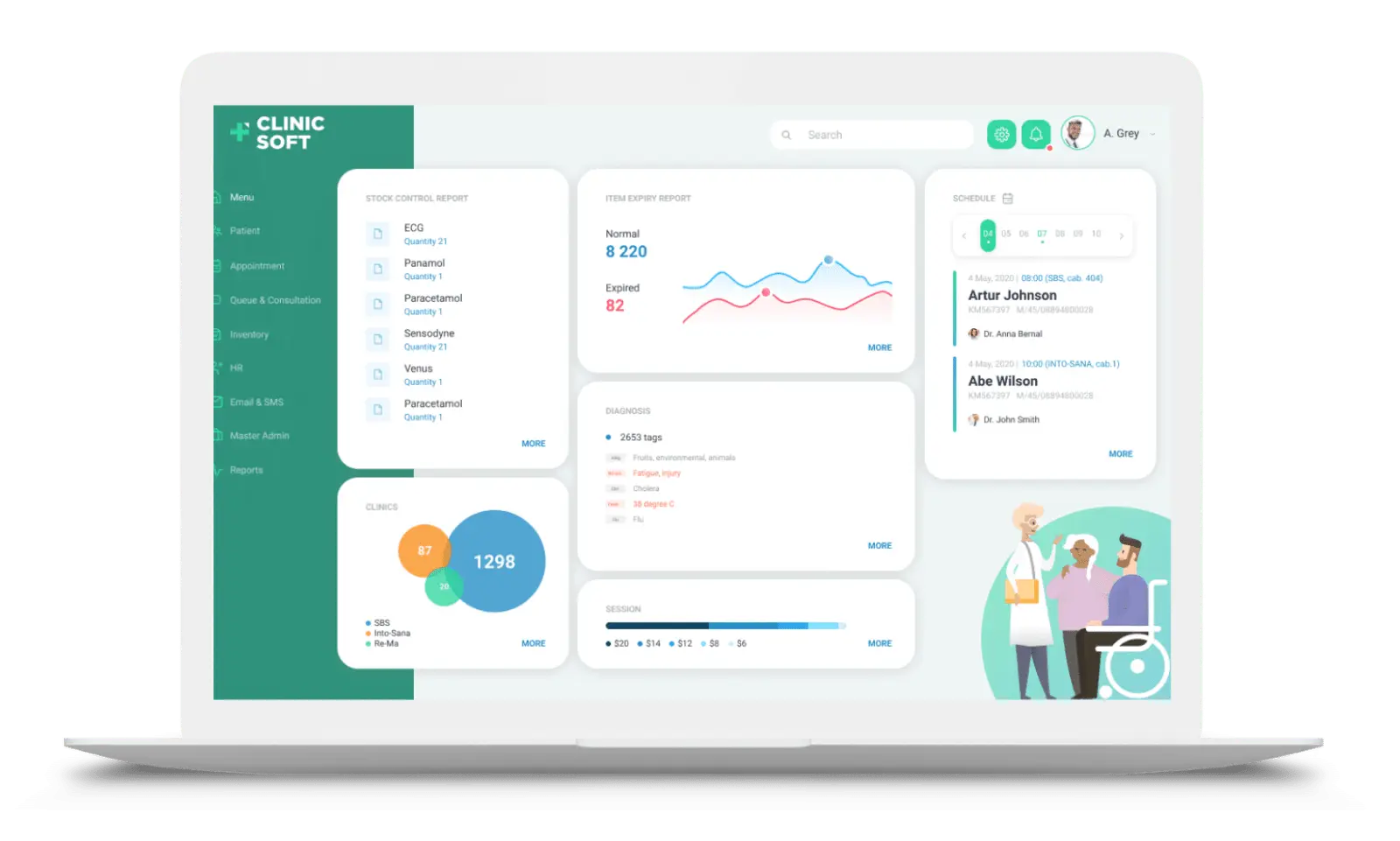
Healthcare CRM for patient workflows, appointments, and clinic operations.
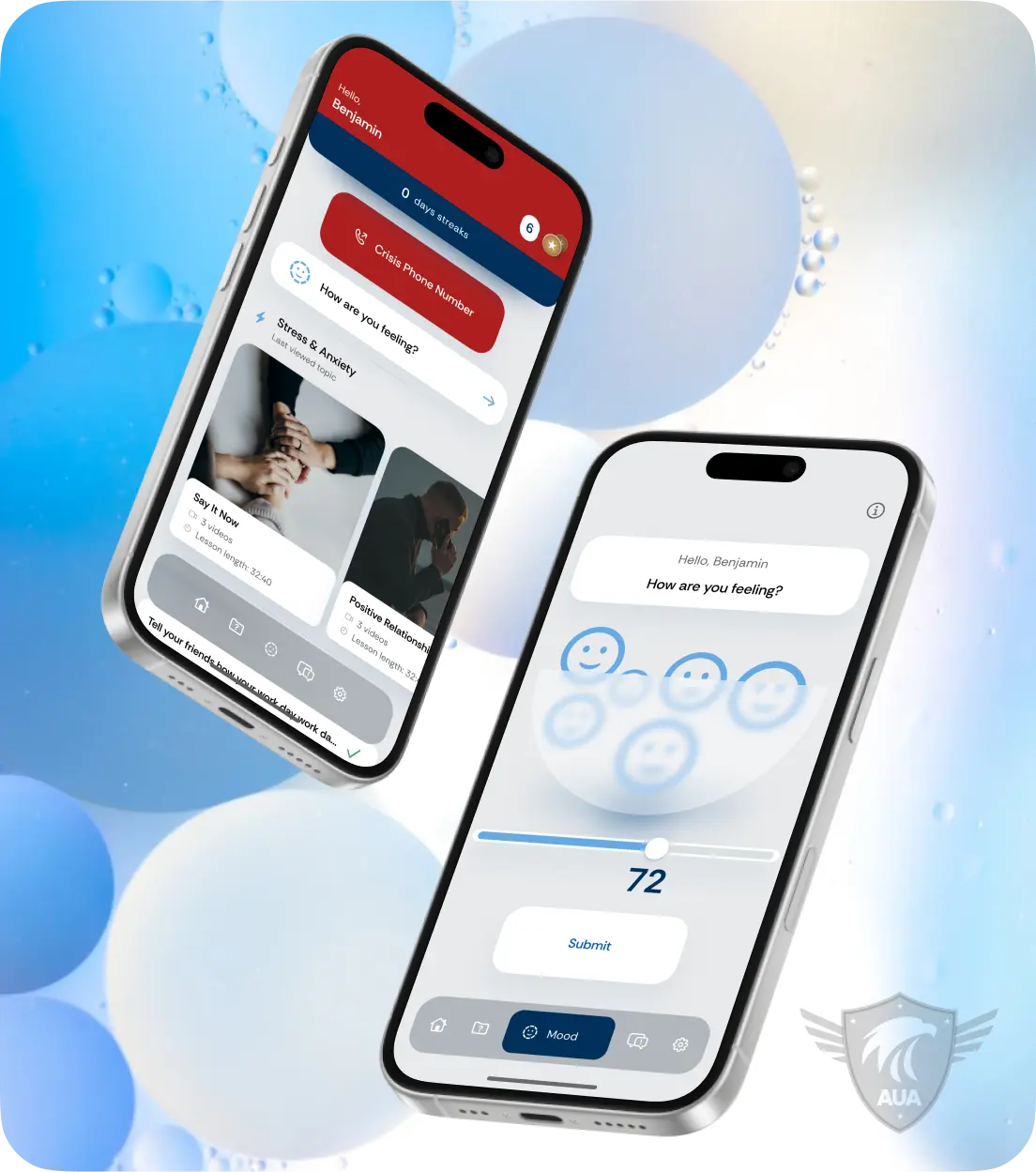
Confidential mental wellness platform for U.S. first responders with peer support.
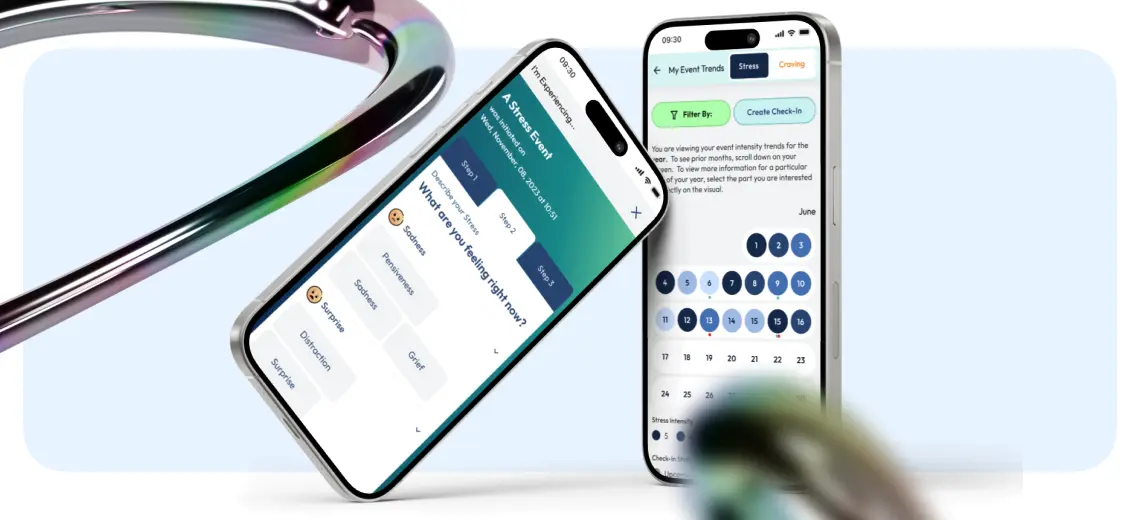
Healthcare platform with biomarker tracking and just-in-time support for patients.
CLIENT REVIEWS
“Attract Group's efforts resulted in a bug-free app that beta users could easily navigate. The team provided frequent updates on their progress and was highly accommodating throughout the engagement. Attract Group was organized and responsive.”
“Attract Group provides outstaffing services for a fintech company. They take the time to better understand our requirements and provide the best options. Attract Group delivers on time, and their communication is quick.”
“Attract Group has deployed top-notch professionals who manage the project efficiently and ensure timely delivery of outputs. They also impress us with their transparency in their technical skills and business consulting values.”
01–03 / 06 CURATED · 39 TOTAL ON CLUTCH
08 — Process
We sit with clinicians and watch the work, because the documented process and the real one differ in every organisation we have been in. Ends with a data model, a phased plan and a fixed price for phase one. The vendor access and certification questions are answered here.
One department or one specialty, in production, with real patients. Small enough to correct.
In the order that removes the most daily pain, agreed one phase at a time.
Regulations move, specialties change how they document, and a record system is never finished.
09 — FAQ
An EMR is the record inside one practice. An EHR is designed to be shared across organisations, so a patient's history follows them. In practice the terms are used interchangeably, and what matters for a build is whether the data has to leave your walls, because that decides the standards you have to meet.
Buy, unless something specific pushes you the other way: a specialty no general system fits, an in-house system that has aged out, a data model you need to own, or a product you intend to sell. We will say so plainly rather than sell you a build you do not need.
Longer than most software. It is phased by necessity, so the question worth asking is when phase one goes live with real patients, not when everything is finished. Discovery gives you both dates and a fixed price for the first phase.
Yes, through FHIR APIs, HL7 interfaces or a middle layer depending on the vendor and your contract. The pacing item is usually how quickly the vendor grants production access, which is why we check it in week one.
Only if you intend to sell it to providers who depend on federal incentive programmes. For internal use it does not apply. Certification runs alongside development with its own cost and timeline, so the answer changes the plan and we ask it early.
No. Everything we build is custom. That costs more up front than a licence and takes longer to first use, and in exchange there is nothing in the system that exists because our platform needed it.
You do. Code, repository, data model, documentation. No licence, no lock-in, and another team can take it over.
Yes. We audit what exists first and tell you honestly whether continuing beats restarting.
Tell us your specialty, what you run today, and what it stops you doing. Discovery ends with a data model, a phased plan and a fixed price — or an honest recommendation to buy instead.