Route & ETA optimization
Models plan routes on live traffic, orders and capacity, and predict real arrival times.
↳ Fewer empty miles, ETAs you can trust
Custom logistics software for transportation, warehousing, fleet and supply chain teams — TMS, WMS, dispatch and integrations shaped around how your freight really moves, with AI where it pays, and you own everything we ship.
Dispatch, fleet and warehouse each run on their own tool. No real-time view of where a shipment is — so the phone becomes the tracking system.
A legacy TMS someone built years ago, carrier, EDI and ERP integrations held together with tape, and quoting and routing still done by hand.
Every new client, lane or warehouse means more manual work — and the data you already collect never turns into better margins.
Every operational problem has a fix. Some are best solved the proven way — a solid TMS, WMS or integration layer. Others are now faster, cheaper or only possible with AI. We work both ways and tell you honestly which is which — because we're after the result, not the buzzword.
When a well-built classic system is the right tool — TMS, WMS, dispatch, carrier and ERP integrations. Reliable, understood, and yours to own.
When AI does what classic systems can't — reading freight documents, predicting ETAs and breakdowns, flagging exceptions, answering from your own data. Applied only where it pays back.
Models plan routes on live traffic, orders and capacity, and predict real arrival times.
↳ Fewer empty miles, ETAs you can trustTelematics data flags failing vehicles before they break down on the road.
↳ Less unplanned downtimePredict volumes per lane and warehouse instead of planning on gut feel.
↳ Right-sized trucks and shiftsAI reads BOLs, PODs, invoices and EDI messages and routes them into your systems.
↳ Faster order-to-cashAgents catch delays, missed scans and billing mismatches before the customer calls.
↳ Fewer escalationsAsk your TMS and WMS data where a shipment is and get an answer, not a report.
↳ Answers, not phone callsNot "rip it out and start with AI." We add a layer over your existing TMS, WMS, ERP and telematics data — RAG over your docs, agents and workflow automation, with the data foundation to make it work.
Not a demo. AI we ship is evaluated, guard-railed and built to survive production — and you own the code, the data and the roadmap. See our approach to AI →
Six systems we build most often for carriers, 3PLs and shippers — each shaped around how your operation runs.
Plan loads, pick carriers, tender and track shipments from one place — priced against your real rate agreements.
Receiving, putaway, picking and cycle counts — with scanner apps that fit the hardware you already own.
Dispatch board, driver apps, telematics and maintenance — with cost per mile visible every week, not at year-end.
Routes that adjust to live traffic and new orders, and ETAs your customers can actually rely on.
A portal per client with live shipment status, documents and billing — so nobody has to call to ask where it is.
Carriers, ERP, WMS and telematics wired together — with EDI translation and middleware where no API exists.
“I'm most impressed with Attract Group's commitment. The work meets our expectations, and the new app offers great flexibility for future improvements.”
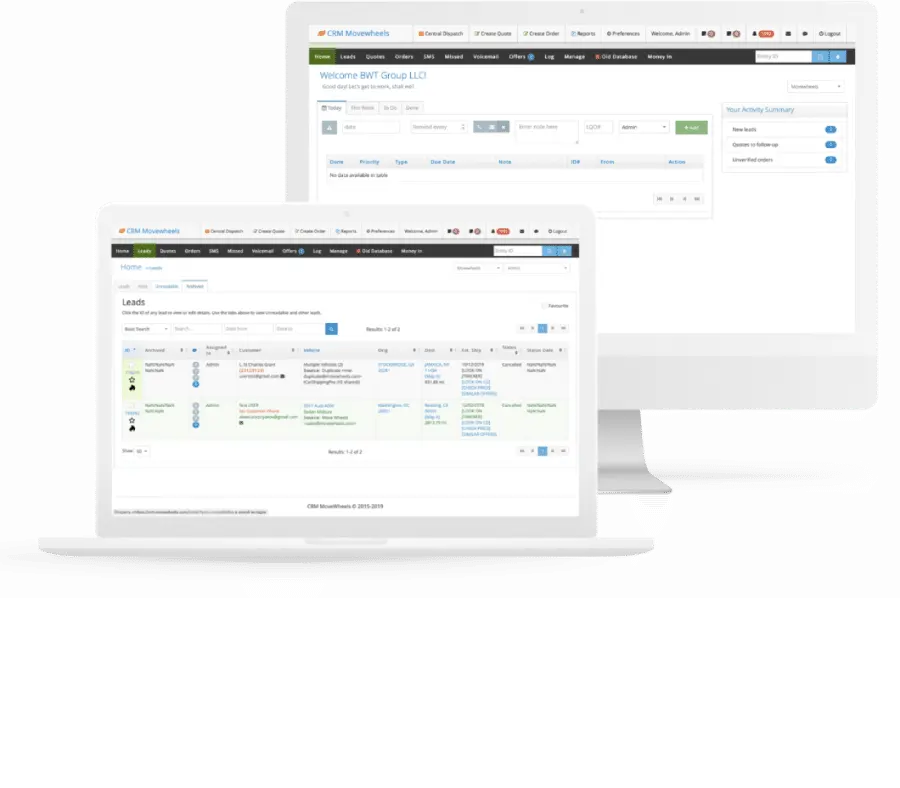
Shipment estimates calculated automatically and quotes sent in seconds — leads, calls, quotes and payments in one CRM for a US car shipping company.
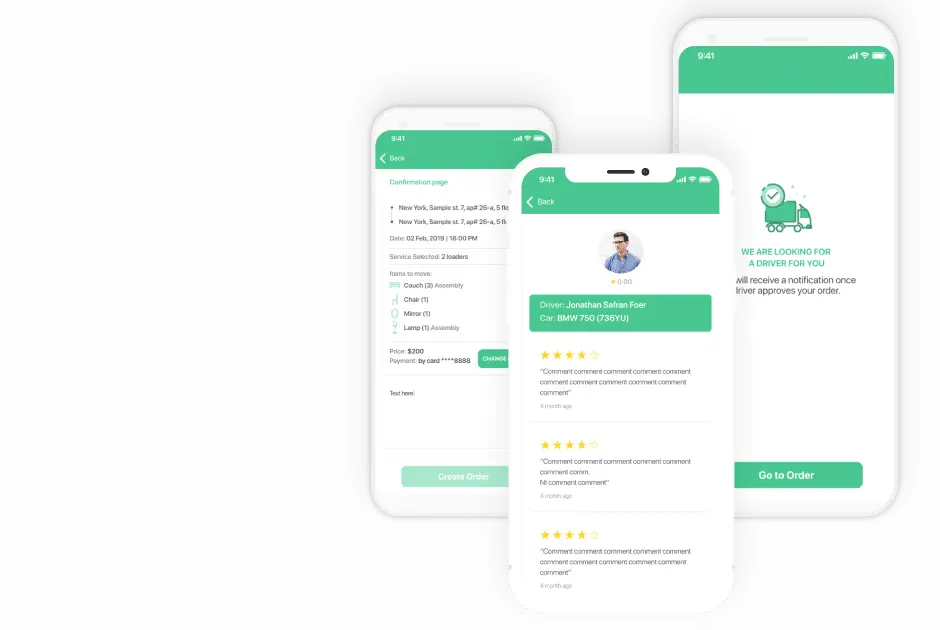
An on-demand delivery platform from kickoff to first release in two months — driver verification, GPS tracking, in-app chat and payments.
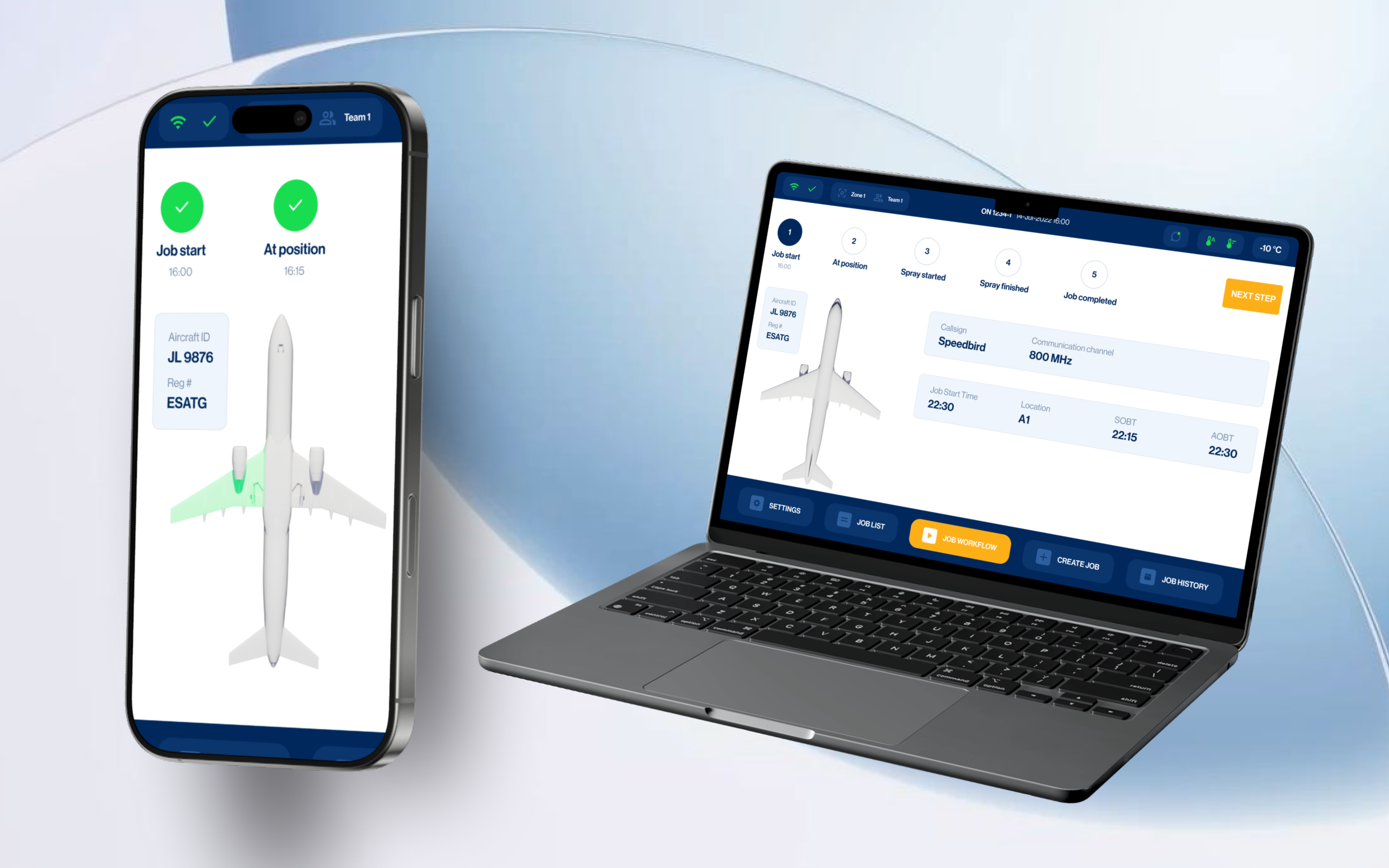
A tablet app that runs de-icing jobs for ramp crews end to end — unit health data, guided workflows, and an offline mode for when the signal drops.
Transparent scope and cost, starting with a short audit — and we stay after launch.
We learn how your operation actually runs before proposing anything.
What to build, buy or leave — scoped and priced with no surprises.
Senior engineers plus AI, shipping in slices that show value early.
Verified, secured and production-grade — not a demo that breaks.
We stay on, support and evolve the system for years.

CLIENT REVIEWS
“Attract Group's efforts resulted in a bug-free app that beta users could easily navigate. The team provided frequent updates on their progress and was highly accommodating throughout the engagement. Attract Group was organized and responsive.”
“Attract Group provides outstaffing services for a fintech company. They take the time to better understand our requirements and provide the best options. Attract Group delivers on time, and their communication is quick.”
“Attract Group has deployed top-notch professionals who manage the project efficiently and ensure timely delivery of outputs. They also impress us with their transparency in their technical skills and business consulting values.”
01–03 / 06 CURATED · 39 TOTAL ON CLUTCH
Transportation software development (TMS, dispatch, routing), warehouse and fleet systems, client visibility portals, and the EDI, carrier and ERP integrations that tie them together. Most projects are logistics management software development around one painful workflow first, then the next.
Yes — shipment visibility across suppliers, carriers and warehouses, demand and capacity forecasting, supplier portals and exception alerts, connected to the ERP you already run.
It depends on scope. A focused MVP with one core workflow and a couple of integrations costs far less than a full multi-module platform. We give you a real number after discovery, not before — a number pulled out of thin air helps nobody.
A first usable release typically lands in three to five months, with working software in your hands every two weeks from the first sprint. Full platforms with heavy carrier and ERP integration run longer, and we say so up front.
Buy when your process is standard and a vendor already covers it. Build when your margin depends on something a vendor won't ship — your carrier mix, consolidation logic, or client billing rules. If you're still choosing a model, our guide to profitable logistics business ideas walks through what each one needs from software.
Yes. Carriers, ERP, WMS, telematics, marketplaces, payment and billing stacks. Where there's no API we've built middleware and EDI translation layers before.
Yes — driver, delivery, scanner, and manager apps in React Native or Flutter, with offline mode and real-time sync back to the platform.
The same team stays on for support and the next phase of the roadmap. We have clients we've supported for years past go-live.
Within 24 hours — we reply and set up a call.
Optional NDA — before you share anything sensitive.
Discovery call — we map your operation and the first win.
A proposal — scoped, priced, with no surprises.
Start with a fixed-price scope, or just schedule a call — no commitment, just a clear read on where to start.