Your rules in every plan
Time windows, vehicle types and capacity, driver hours, service times by customer, depot rules and equipment such as liftgates or reefers. All part of the calculation.

We engineer software around how your operation actually works.
Routes that update when the day changes
Most route tools are good at the morning plan. Then a driver calls in sick, a customer moves a window, and dispatch is back to Google Maps and a group chat. Our route optimization software development services keep the plan up to date all day, built on your fleet, order and telematics data.
Reality check
The base routes live in an Excel template. By mid-morning the real plan lives in a group chat. One late stop pushes every stop after it, and the ETAs customers got at 7 a.m. are wrong by lunch.
Planned routes also miss what drivers know: loading times, parking, access rules, or that one truck has a liftgate and the other doesn't. When the plan looks wrong, drivers stop following it.
Honest choice
If a route planner subscription covers your day, keep it. We build routing when your rules don't fit one, or when planning has to live inside your TMS or dispatch tools.
| Criteria | Route planner subscription | Custom routing in your system |
|---|---|---|
| Works when | Simple stops, few rules, one depot | Your own constraints, several depots, changes all day |
| Data | You export and import orders | Orders, vehicles and drivers come from your systems |
| Who changes the rules | The vendor's roadmap | You |
Modules
Route optimization software development covers the plan, the live changes and the driver's side of the day.
Time windows, vehicle types and capacity, driver hours, service times by customer, depot rules and equipment such as liftgates or reefers. All part of the calculation.
Routes across several depots and shifts, with pickups and drop-offs on the same run where your operation allows it.
When a stop is added, cancelled or delayed, the system suggests new routes for the trucks that change affects. The dispatcher reviews and sends them.
Live GPS data and map routing (we've built on Google Maps) recalculate arrival times stop by stop, with traffic.
No live positions yet? Our GPS tracking software development adds them: a driver app or a connection to your telematics provider, updating the plan every few seconds.
Customers get a text or a tracking link when the ETA changes, not a call from your office.
Client visibility portals →The day's stops in order, notes per customer, photo and signature at delivery.
Where the plan and the day split: late stops, extra miles, stops that always take longer than planned.
How it works
Route optimization is a well-known math problem, often called the vehicle routing problem. We don't write a solver from scratch. We use proven routing engines, chosen during discovery, and spend our time on what makes your routes different: your rules, your data and your exceptions.
Machine learning helps in one specific place. The system learns how long each stop really takes, by customer, time of day and order size, and uses that for the next plan. That's where most ETAs go wrong.
Data
Route optimization is only as good as the addresses and time windows behind it. Before we tune anything, we check your address data, geocoding and service times, and fix what's broken. Bad addresses are often where late deliveries start.
Control
The system suggests, people decide. Dispatchers can lock a stop, override a route or keep a driver on their usual run. Each suggestion shows why it changed, so the team can trust it or correct it.
Who
Integrations
Routing pulls orders from your TMS, order system or online store, vehicles and drivers from your fleet tools, and positions from telematics or the driver app. We've built on Google Maps for routing and used Twilio for texts. Plans go back to dispatch and drivers in the tools they already use. Fleet & dispatch →
Process
You send a day of planned and actual routes. We show where they split and why.
Addresses, time windows and service times.
The new plan runs next to the old one for a few weeks, so you can compare.
Once the base plan holds up.
More depots, more rules, regular accuracy reports.
Scope and cost for each step are agreed before it starts.
Cost
Cost depends on the number of rules, depots and integrations, and on whether you need a driver app or live tracking built from scratch. Adding planning to your TMS or dispatch tool is the lightest start; full routing with a driver app and GPS tracking is a larger build. You get a written estimate after we replay a day of your routes.
Proof
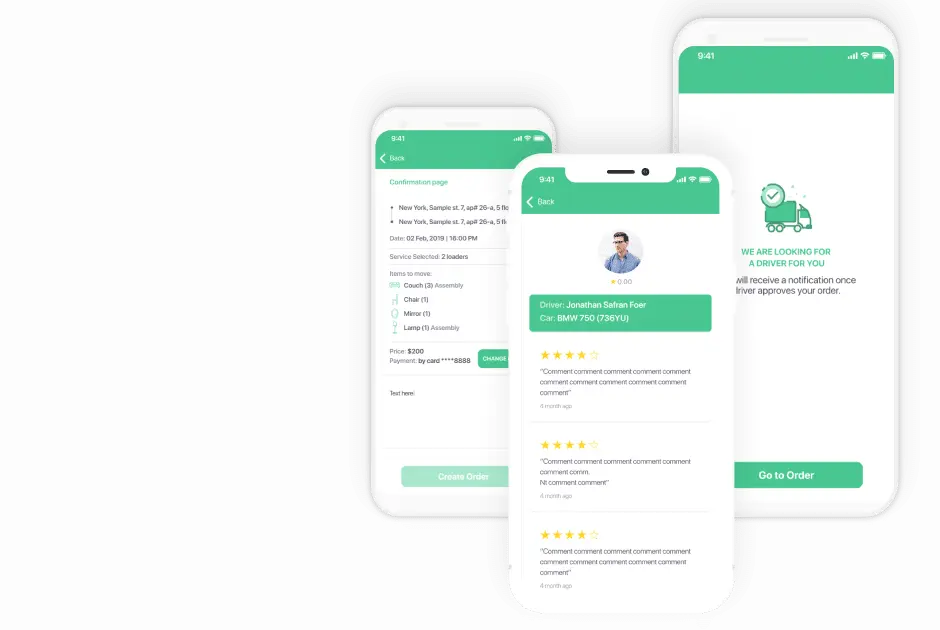
On-demand delivery app with driver verification and live tracking — adjacent experience for GPS tracking and driver apps.
View case study →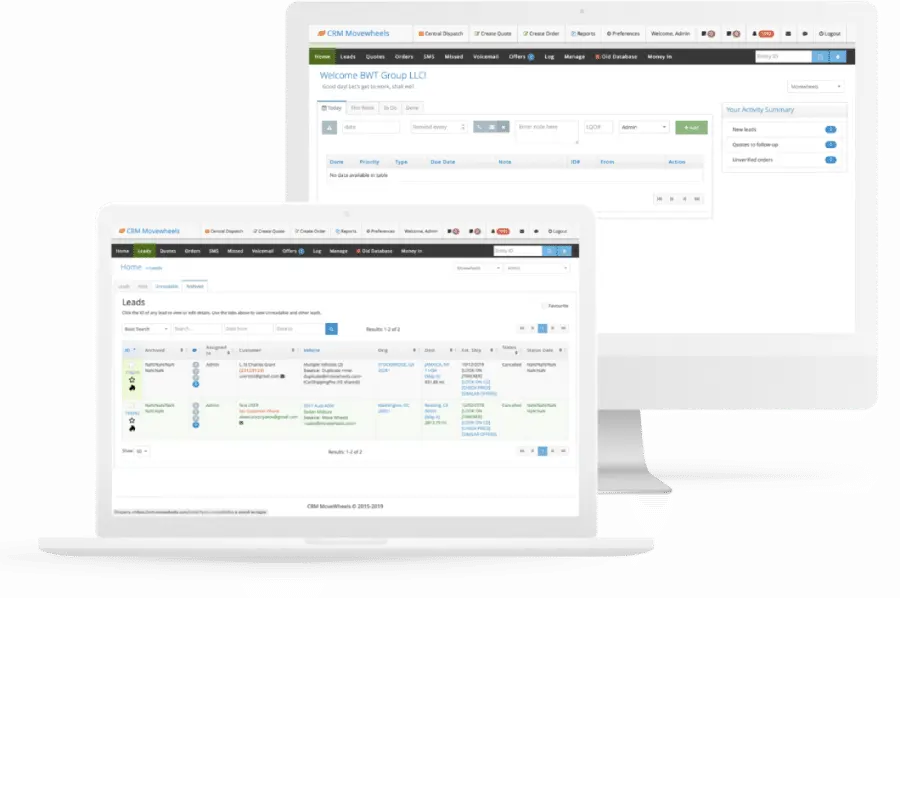
Auto transport CRM built on Google Maps with Central Dispatch and uShip connections.
View case study →Related: Fleet & dispatch · TMS · Logistics hub
Engagement
You own the code and documentation in every option, and we support it after launch.
One depot, one set of rules, a clear comparison at the end.
For routing that grows with new depots and services.
We add routing to the system your team already maintains.

CLIENT REVIEWS
“We know our project is complicated because we need to integrate and make different systems work. The work meets our expectations, and we haven't identified any data gaps.”
“Attract Group delivered a high-quality product on a tight deadline. They continue to impress with their knowledge on all things related to development. They're very professional and easy to communicate with.”
“I'm most impressed with Attract Group's commitment. The work meets our expectations, and the new app offers great flexibility for future improvements and better customer service.”
01–03 / 03 CURATED · 39 TOTAL ON CLUTCH
FAQ
Yes. Replanning runs during the day on live data, for the trucks a change affects.
Yes. Windows, capacities, equipment and driver hours are part of every plan.
They get better as the system learns your real stop times. We measure accuracy from the first weeks and report it to you.
Not necessarily. Route planning can sit on top of your current TMS or dispatch tools. If dispatch itself is the problem, see fleet & dispatch.
It depends on rules, depots, integrations and whether we build tracking. A pilot on one depot is the cheapest way to start. You get a written estimate after we replay a day of your routes.
A pilot usually runs in a matter of weeks, and you compare it with your current plan from day one.
We ask drivers why. Most of the time the plan misses a real rule, like a gate code or a dock that's closed at noon. We add the rule, and the plan starts to make sense to them.
You do. Code, rules and documentation are yours.
Send us a day of planned and actual routes. We'll show you where the plan and reality split, and what would close the gap.