Receiving
ASNs, scanning against POs, damage and shortage notes

We engineer software around how your operation actually works.
For warehouses that outgrew the ERP
Slow scanners and wrong bins cost you orders. As a warehouse management software development company, we build a WMS around your layout, products and pick flows, and connect it to your ERP, sales channels and carriers. You own the code.
Floor reality
Honest choice
If a packaged WMS fits most of your flow, buy it. It's the cheaper route, and we'll say so. We don't resell or set up packages. Custom pays off when the warehouse keeps working around the software instead of with it.
| Criteria | ERP warehouse module | Packaged WMS | Custom WMS |
|---|---|---|---|
| Works well when | Simple layout, low order volume | Standard picking and storage, budget for licenses | Unusual products, layouts or flows, or a WMS that always needs consultants |
| Usual complaint | Slow screens built for the office | Paying for modules you don't use; changes wait for the vendor | Takes longer to build up front |
| Who owns changes | ERP vendor or partner | WMS vendor | You |
Scanner-first
A WMS screen that looks fine on a laptop can be painful on a handheld at 6 a.m. We design the mobile flows first and time them with your pickers:
We support barcode and QR scanning, RFID where it pays off, label printers and the Android handhelds you already own, as long as the device supports it.
Modules
Warehouse management system development starts with the modules your flows need first. The rest comes later. Each one runs on the same stock record.
ASNs, scanning against POs, damage and shortage notes
Suggested bins from your rules, with supervisor override
Single, batch, zone or wave picking along the shortest path
Pack checks, labels, carrier choice
Counts by zone or item while the warehouse keeps working
FIFO or FEFO, recalls traced to the order
Stock by site, transfers between buildings
Inbound goods sent straight to outbound; kits built and tracked as one item
Task queues, pick rates per person and shift
Inbound and outbound appointments, door assignments
Inspection, restock or quarantine, stock updated on the spot
Orders in progress, late picks, accuracy by zone
For 3PL warehouses we add client-level stock, billing and reporting. Client visibility portals →
By operation
We build custom warehouse management software for five kinds of operation:
Many small orders, same-day cutoffs, returns every day.
Pallets and cases, route-based loading, customer-specific labels.
Several clients in one building, each with its own rules and invoice.
Kits for the line, serial numbers, stock reserved for jobs.
Expiry dates, FEFO picking and zone limits.
Integrations
The WMS runs the floor, but stock and orders come from other systems. We connect it to your ERP, ecommerce platforms, carriers and hardware. On past projects we've worked with DHL, FedEx and EasyPost for shipping and tracking. Stock, orders and shipment status sync both ways, and a failed sync shows up as an alert. Inventory & OMS →
Retail customers that send orders by EDI can be connected too, through your EDI provider or directly.
Process
WMS software development with us goes zone by zone, so the warehouse keeps shipping.
Zones, bins, products, current flows, and where time is lost. We agree scope and cost for the first phase.
Your pickers try them on a handheld before we build the back end.
Such as receiving, while the rest of the warehouse runs as usual.
Physical counts confirm the new system matches the shelves.
With extra support on the floor in the first weeks.
We fix issues, add features and adjust rules when your layout changes.
Cost
The cost of WMS development depends on how many processes go into the first phase, sites, integrations, hardware and data migration. A scanner app on top of your current system costs far less than a full multi-site or 3PL WMS. You get a written estimate after the warehouse mapping.
KPIs
We agree on the numbers before we build, so both sides can see what changed:
Why us
A WMS that stops means trucks that wait. That's why buyers are wary of bespoke systems. With us you own the source code, data and documentation. We run automated tests on stock rules, picking and counts before each release, plus a way back to the previous version. Role-based access, encrypted data and backups. Cloud hosting or your own servers. After go-live we stay on call with agreed response times. AI helps us write and test code faster. Our engineers review every change and stay responsible for it.
Proof
We don't have a published WMS case yet. Adjacent work that transfers: inventory and order logic from retail projects, offline field apps, and logistics systems.
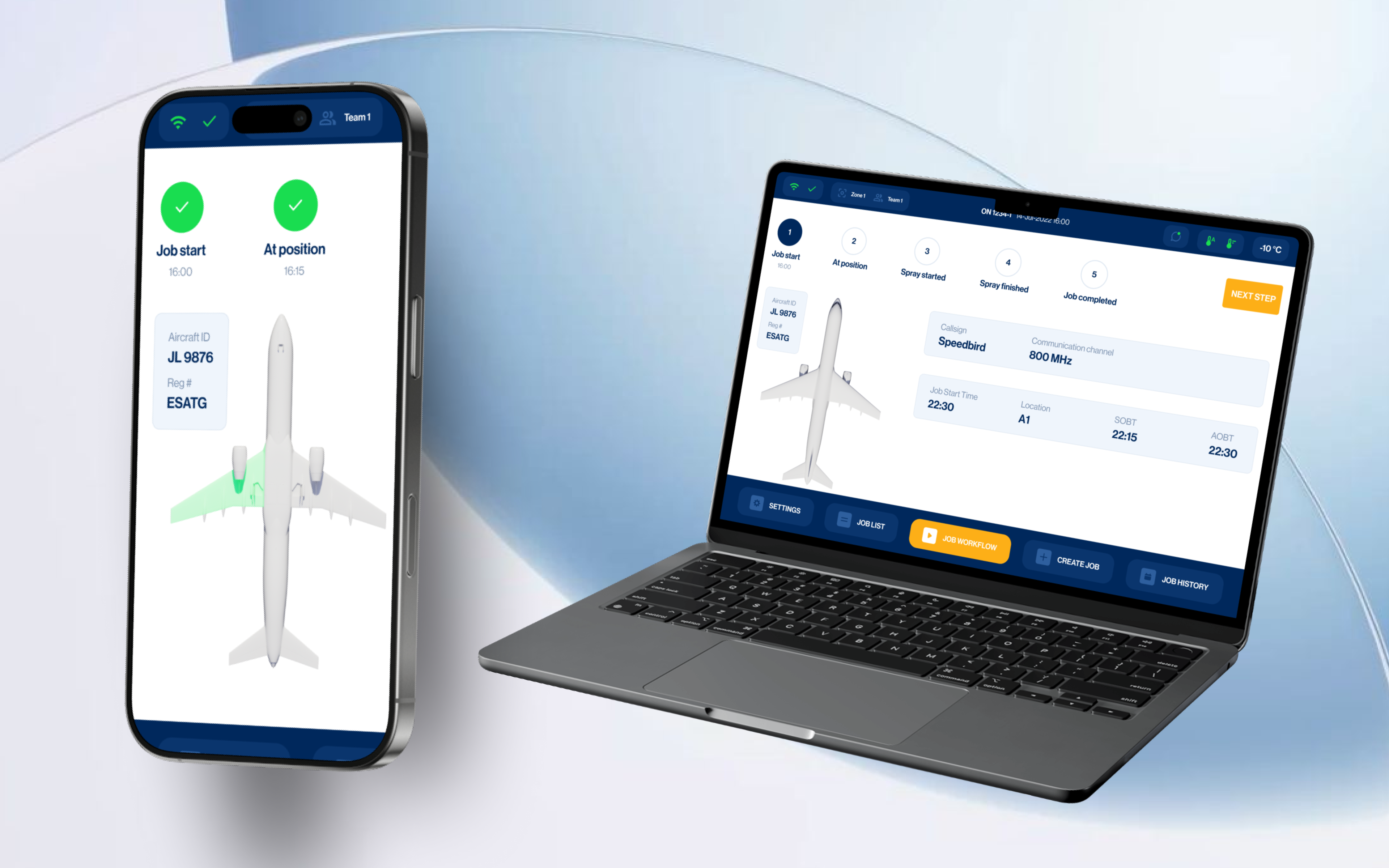
Field software that keeps working without a connection and syncs when signal returns — the same pattern scanner flows need on the warehouse floor.
View case study →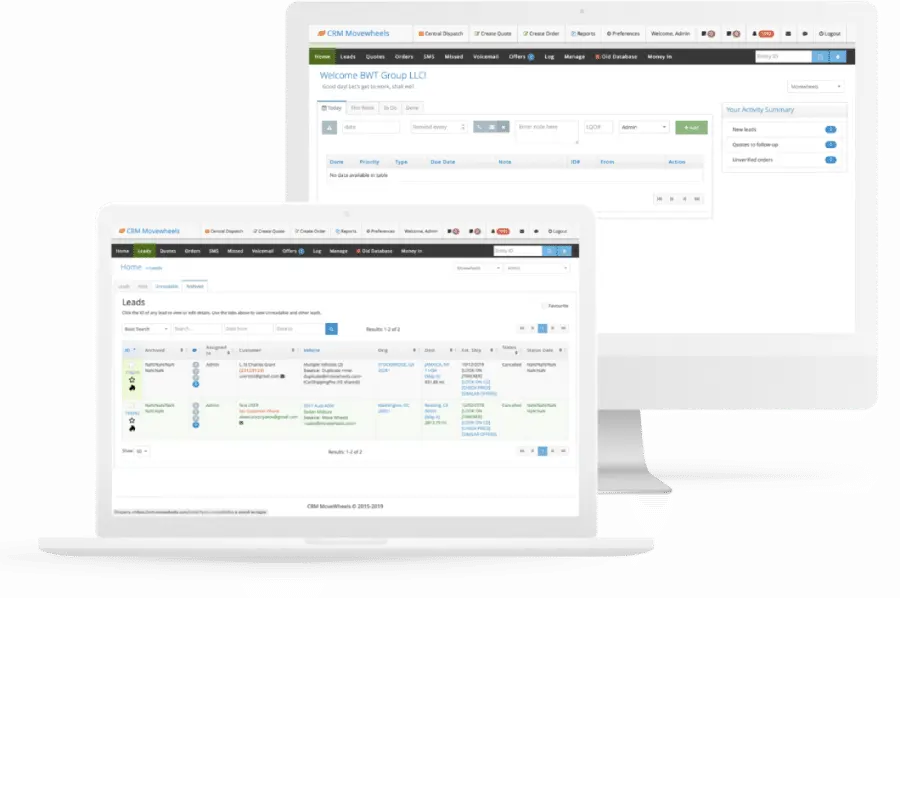
Auto transport CRM with quoting, carrier boards and shipping connections.
View case study →Related: TMS · Logistics hub
Engagement
It can start with one site and one process.
One site or one process, with an agreed plan and price.
For a WMS that keeps growing with new sites and clients.
Our engineers join your developers on the system you already run.

CLIENT REVIEWS
“We know our project is complicated because we need to integrate and make different systems work. The work meets our expectations, and we haven't identified any data gaps.”
“Attract Group delivered a high-quality product on a tight deadline. They continue to impress with their knowledge on all things related to development. They're very professional and easy to communicate with.”
“I'm most impressed with Attract Group's commitment. The work meets our expectations, and the new app offers great flexibility for future improvements and better customer service.”
01–03 / 03 CURATED · 39 TOTAL ON CLUTCH
FAQ
It depends on processes, sites, integrations and hardware. A scanner app on top of your current system costs far less than a full WMS. You get an estimate after we map the warehouse.
A first site usually goes live in a few months. The pilot zone runs much sooner, so the team sees results early.
They shouldn't. We time each flow with your team before rollout, and change any step that's slower than paper.
Yes. Zones, bins, pick paths and slotting rules are set up for your building, and they change when the layout does.
Usually none for the whole warehouse. We roll out one zone or process at a time. A full physical count may need a short pause, planned with you.
Yes. The ERP keeps finance and purchasing. The WMS runs the floor and sends stock and shipment updates back.
Not always. We start with the scanners and printers you have and only suggest new devices if the old ones block a flow.
Either. Cloud is easier to maintain. On-premise suits sites with weak internet or strict IT rules, and the scanner app works offline in both cases.
Buy when a packaged WMS fits your flows. Build when you keep paying for workarounds, or when your products and processes need rules a package can't hold.
Walk us through a day: receiving, picking and shipping. We'll point out where the system slows people down and what to fix first.